
Course Contents
Scene 1: Feedstock composition and analysis.
- Importance of feedstock/fuel matching design of process
- Introduction to proximate and ultimate analysis with examples
- What this analysis tells us from a design and operational perspective
- Examples of typical MSW analysis
Scene 2: Calorific Values.
- Animations showing how GCV and NCV calculated
- Affect of moisture content on NCV
- Understanding sample conditions inc DAF, ‘as received’
Scene 3: Products of combustion and emissions.
- Recap of combustion theory
- Review of products such as VOC’s, PCDD’s and PCDF’s
- Overview of acid gas emissions, NOx, particulates and heavy metals.
Scene 4: Feedstock management
- Homogenous Vs heterogenous waste streams
- Importance of mixing and blending to achieve homogeneity
- Control via waste deliveries and analysis
- Discussion on problem wastes
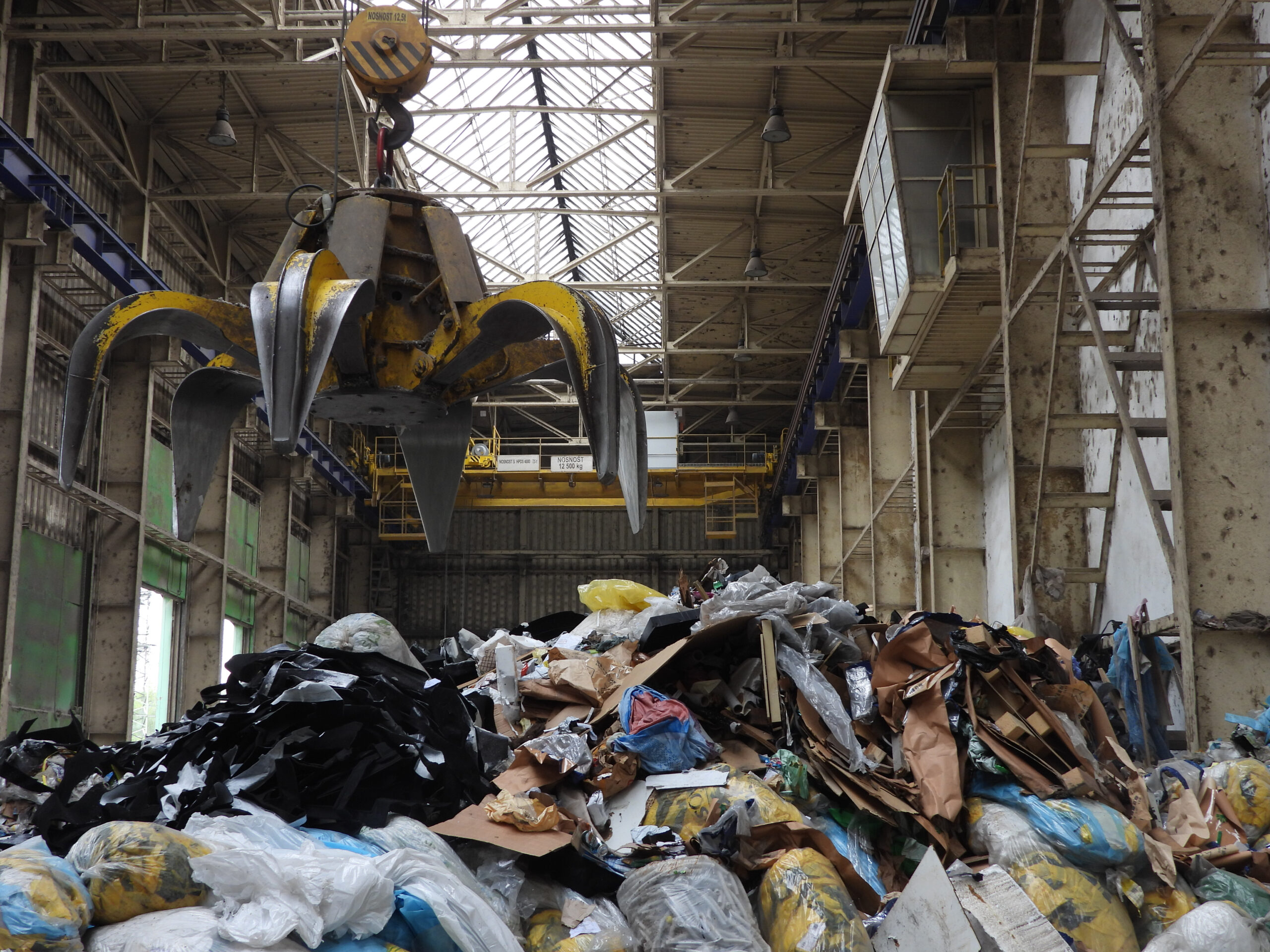
- Bunker management
- Monitoring and understanding trends
Scene 5: Process Optimisation
- Optimisation starts with the fuel and effective blending and mixing etc
- Feed rate and operating envelope
- Optimised combustion regime
- Optimised bed conditions
- Effects of too much or too little combustion air
- Maintaining heat transfer areas
- Optimised volumetric gas flow for FGT section
- Importance of steady steam flow for power production
FT5 – Characterisation of Feedstocks & Principal Pollutants